How much do Palermo food tours cost?
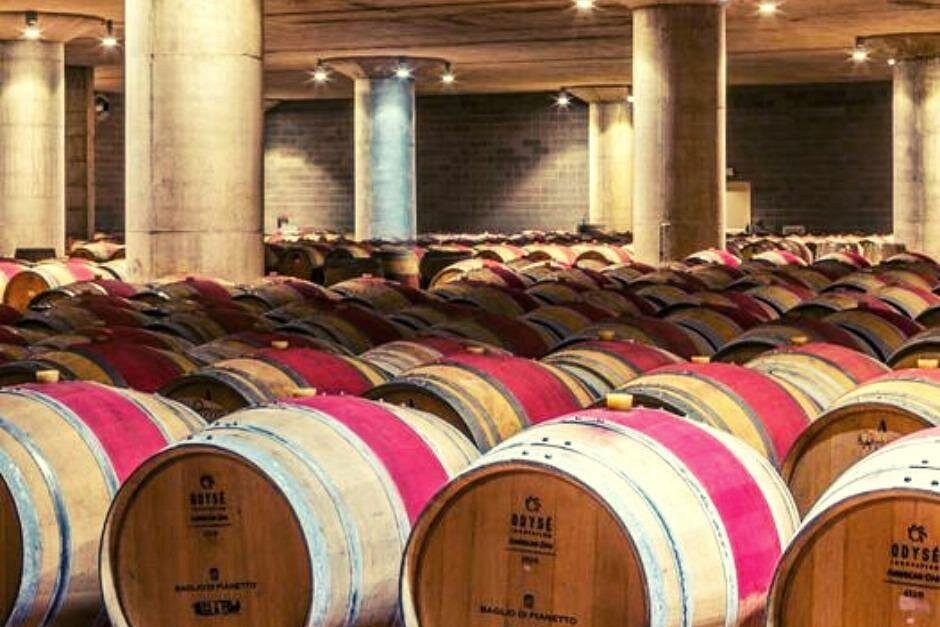
Guided food and street-food tours in Palermo start from about $39 per person for a walking tour and rise to around $137 for a private villa cooking class or $251 for a private countryside winery day. Most small-group street-food walks fall between $45 and $100 per person, with tastings and drinks included.
Do I need to book a Palermo street food tour in advance?
Yes. Small-group tours cap at 10 to 20 travellers and sell out in peak season, especially the evening and market tours. Book three to five days ahead between April and October, and 24 to 48 hours ahead at quieter times.
Can I cancel a Palermo food tour for free?
Most tours offer free cancellation up to 24 hours before the start time for a full refund. A few all-inclusive tours are non-refundable, and those are marked as such on their card. Always check the cancellation terms on the booking page before you pay.
Is a Palermo food tour a full meal?
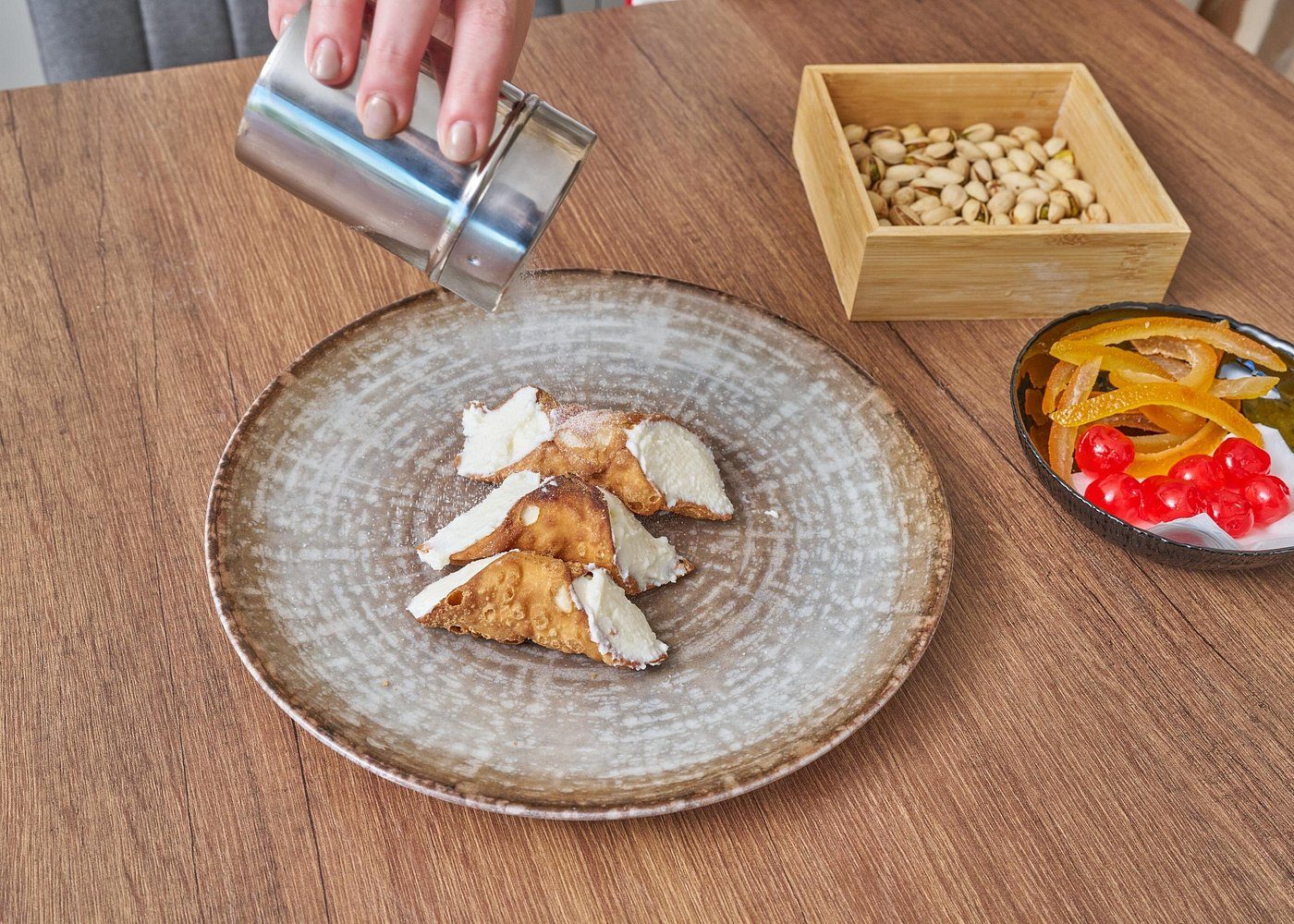
On most street-food tours, yes. Operators describe five to ten tastings that add up to a full meal, from arancine and panelle to sfincione and cannoli. Come hungry and skip the meal before your tour.
What street food will I try in Palermo?
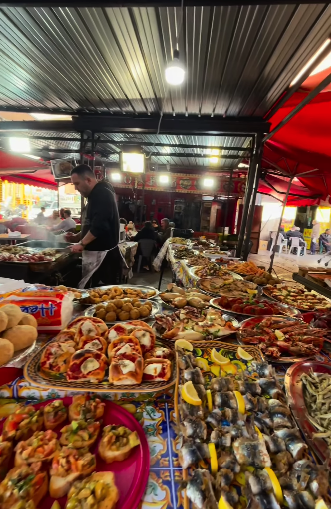
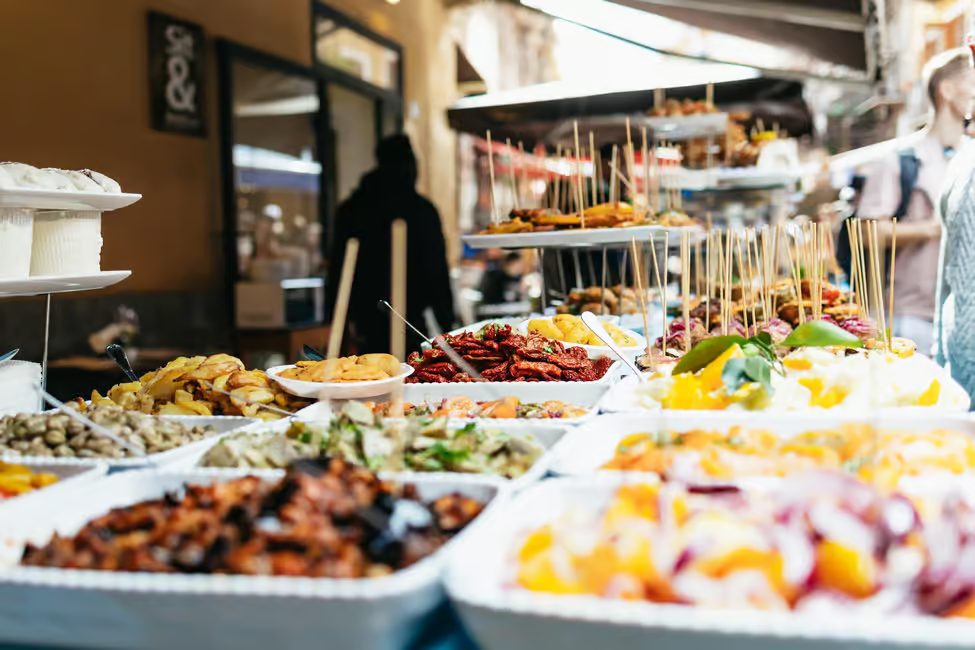
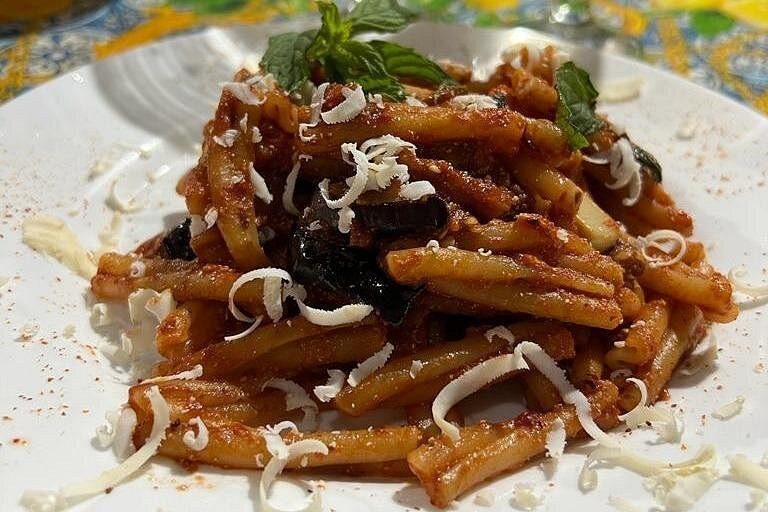
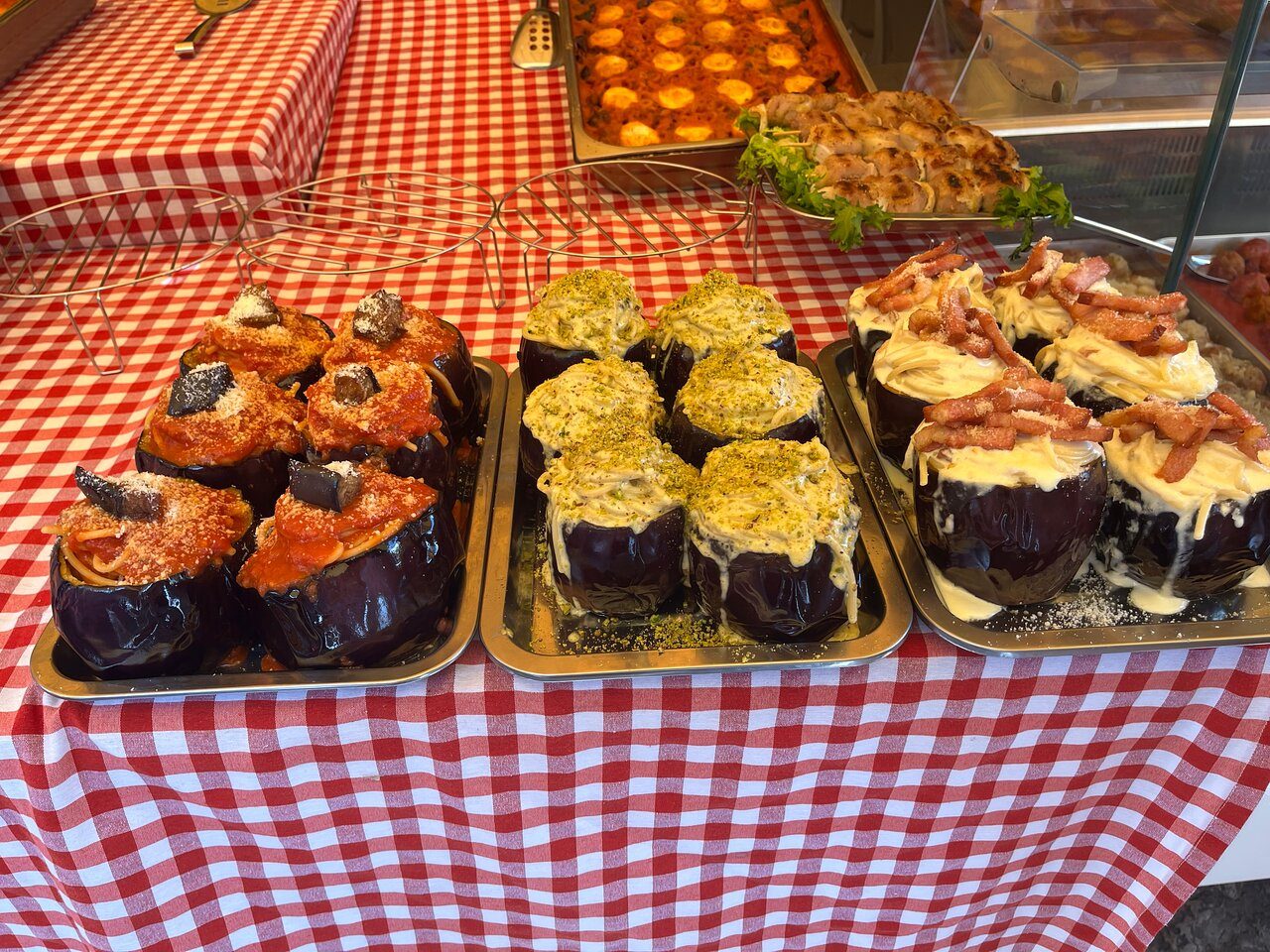
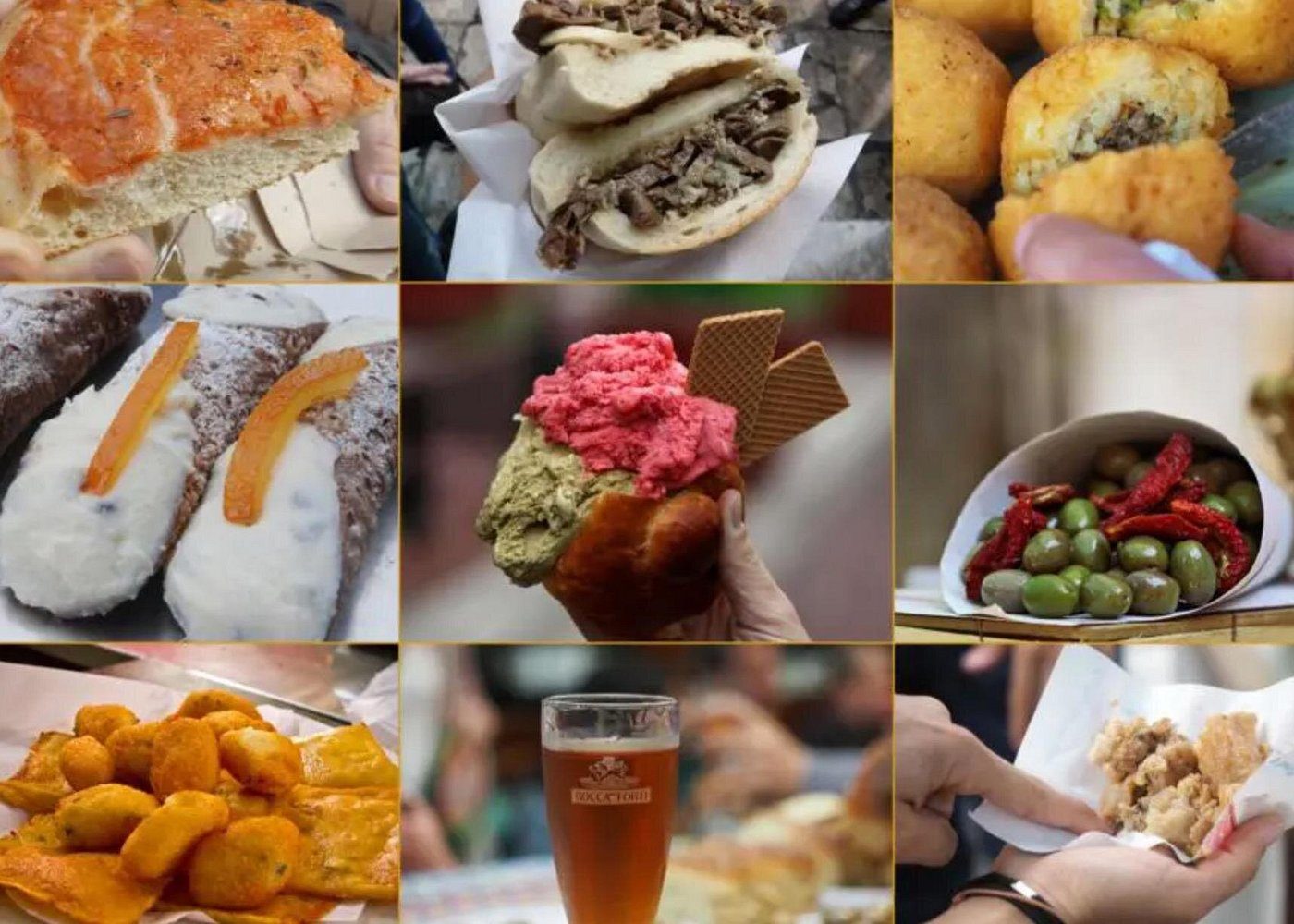
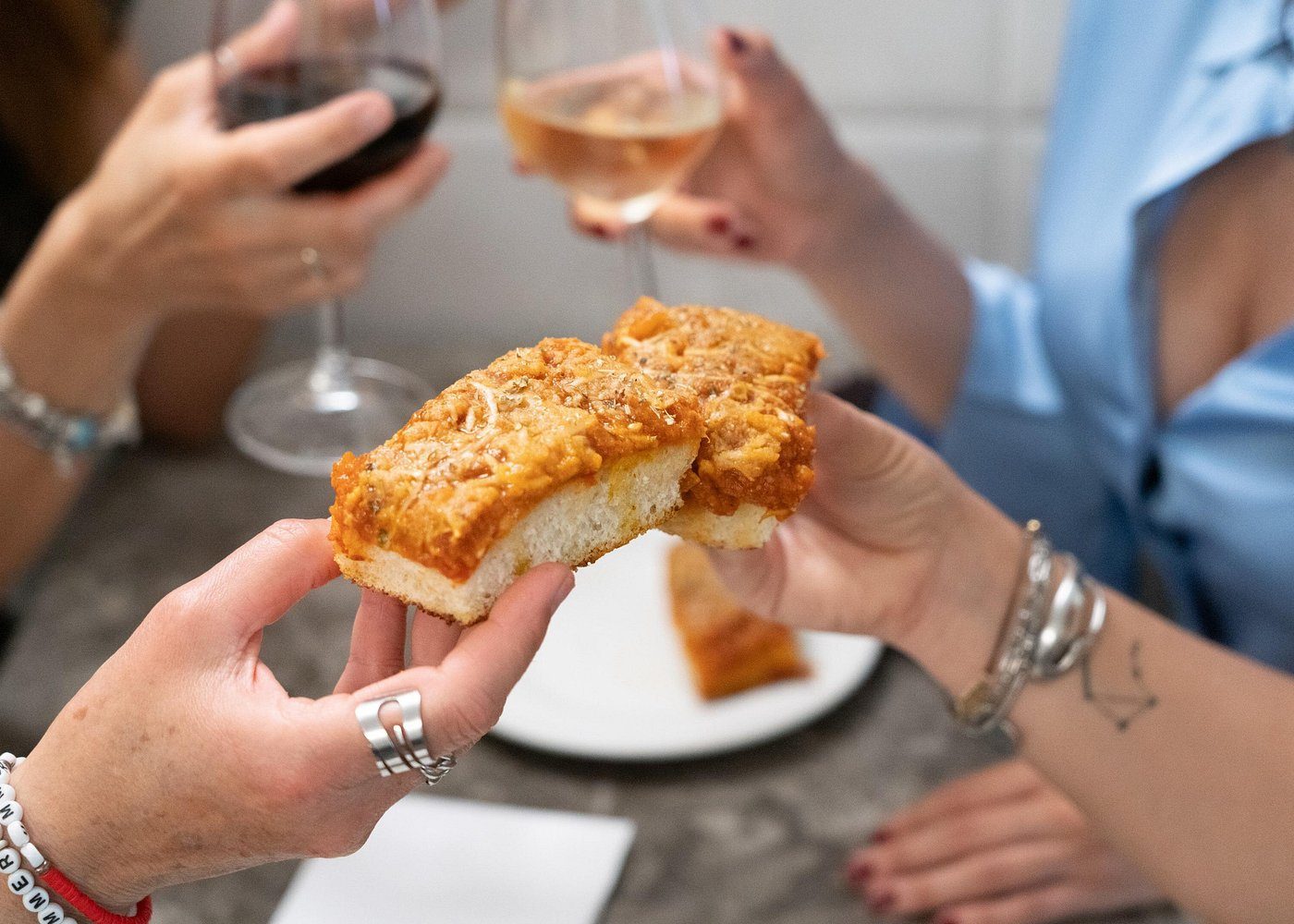
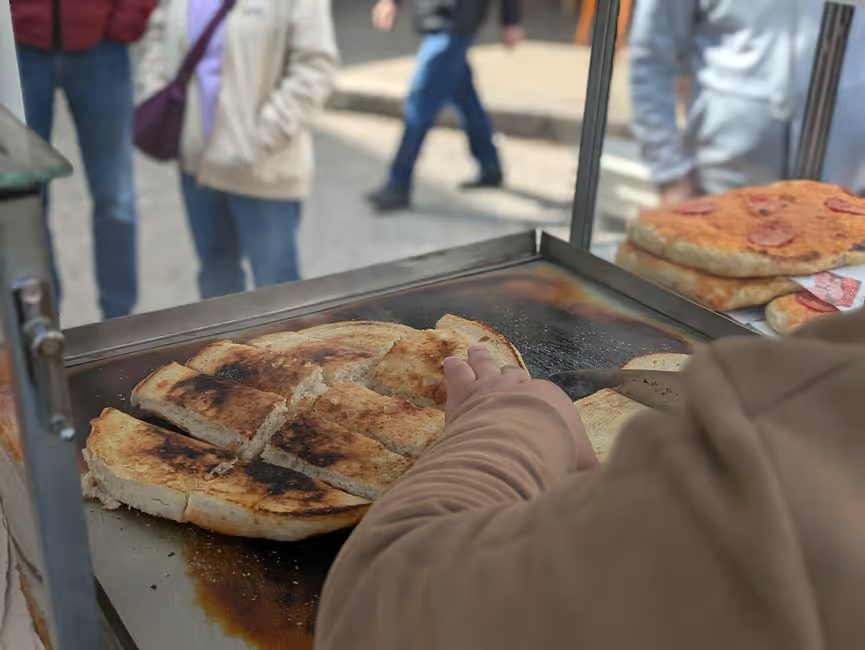
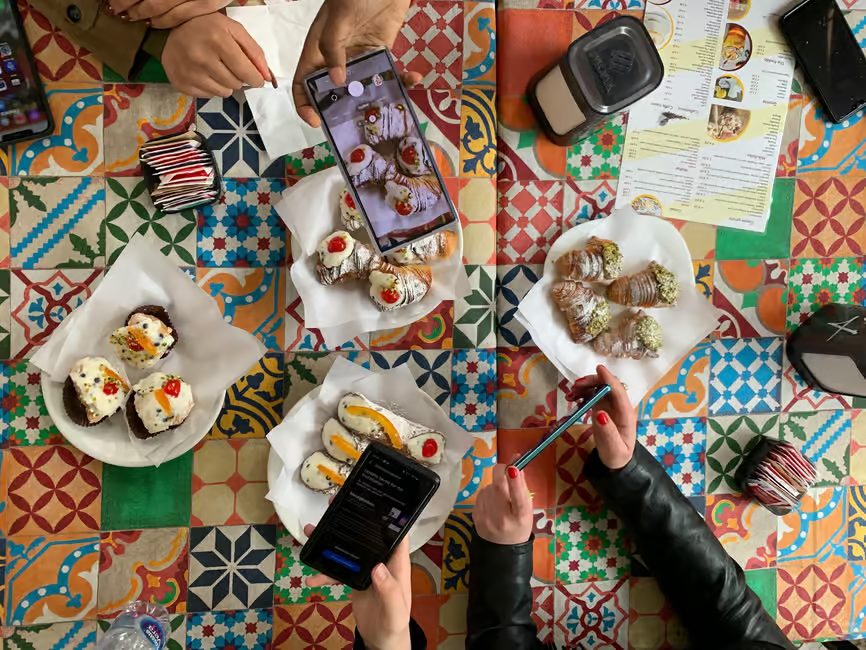
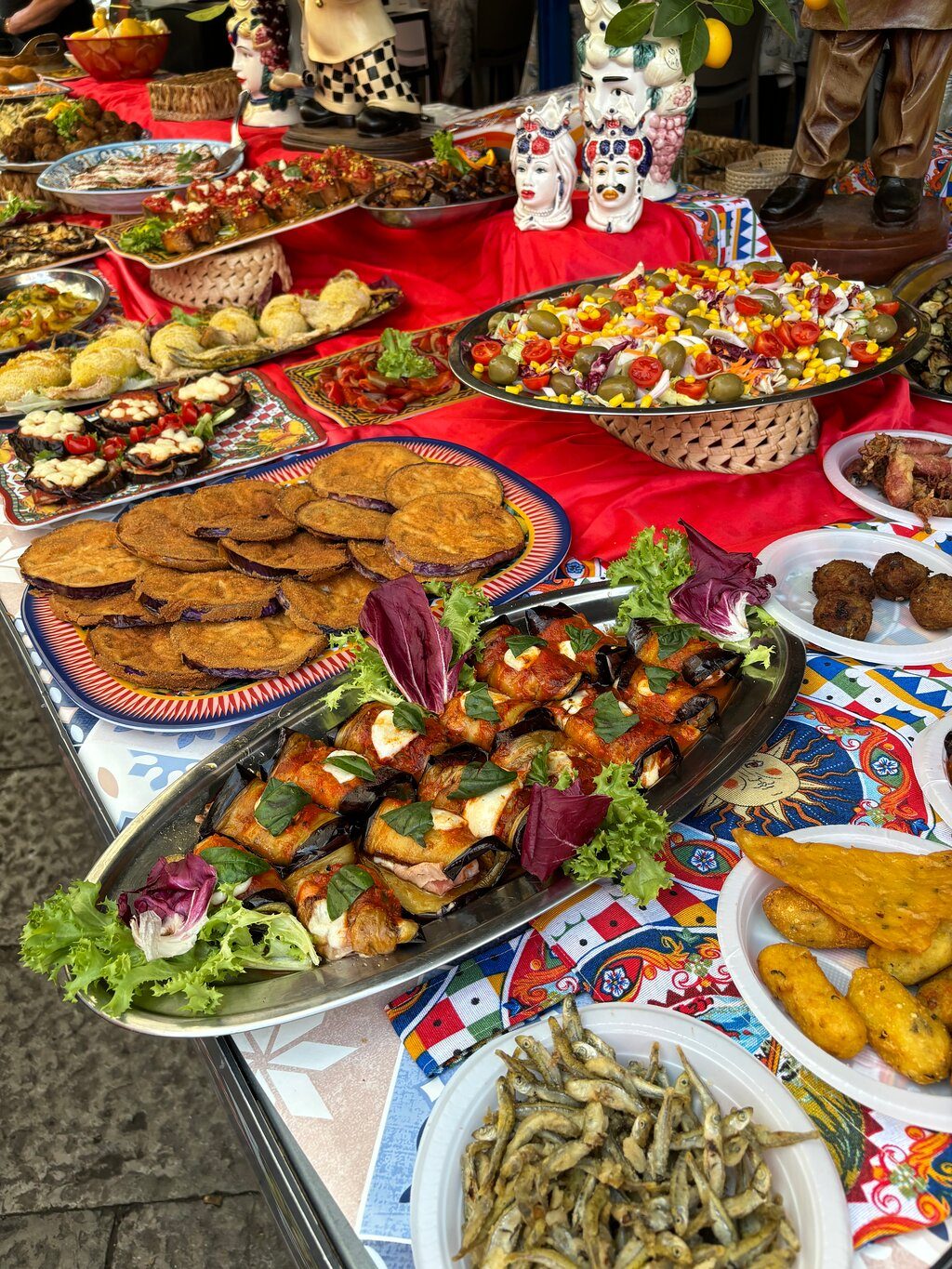
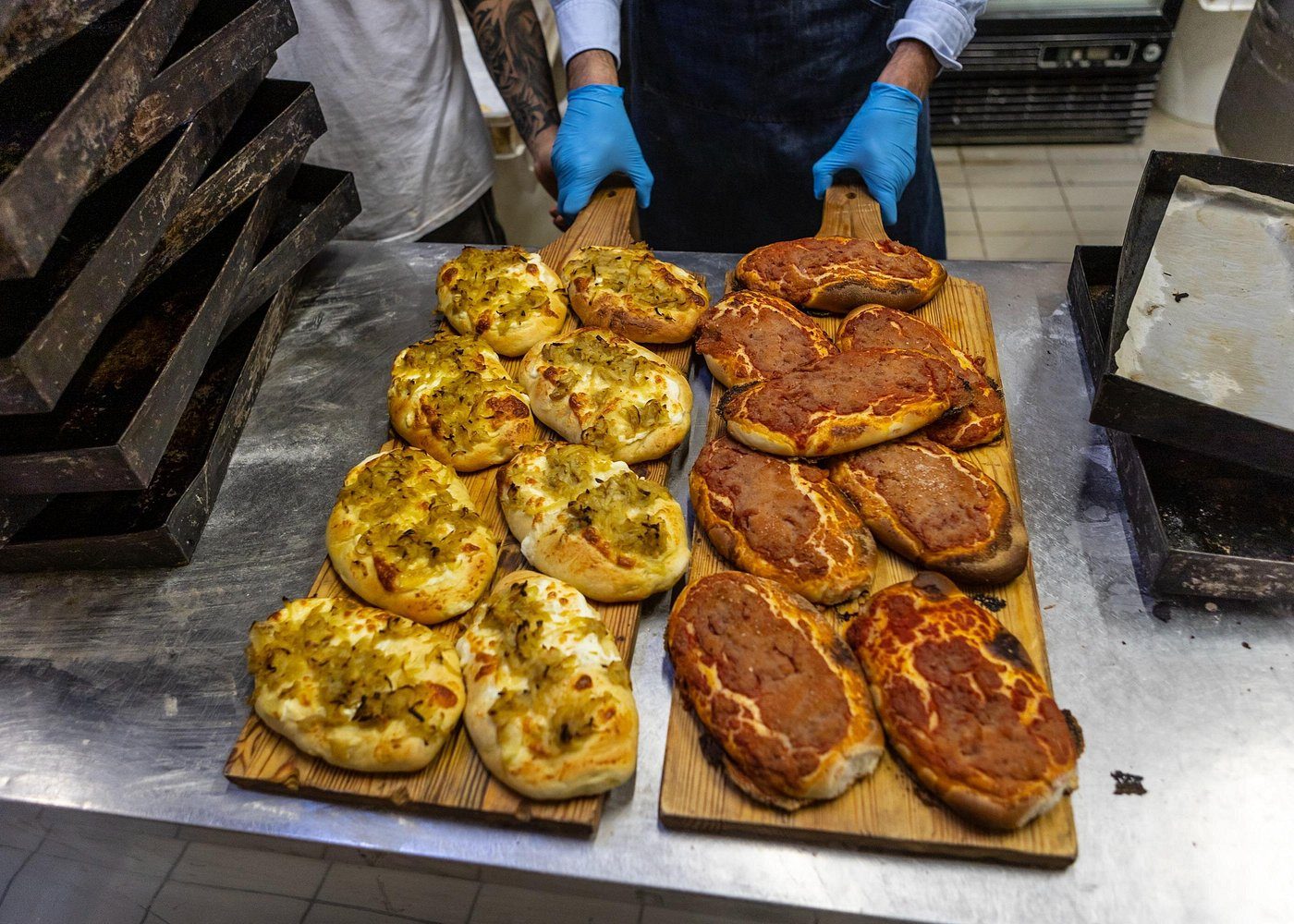
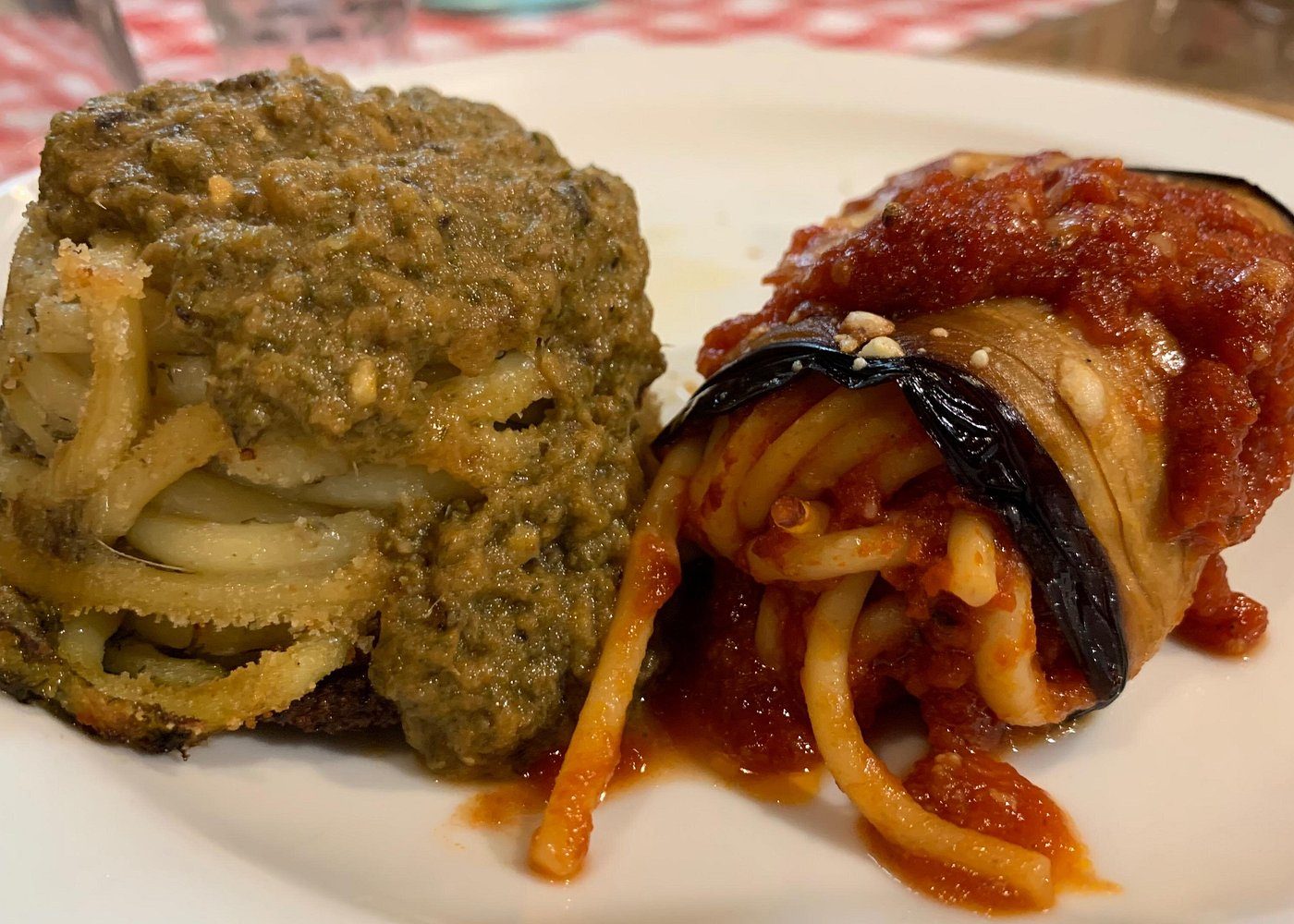
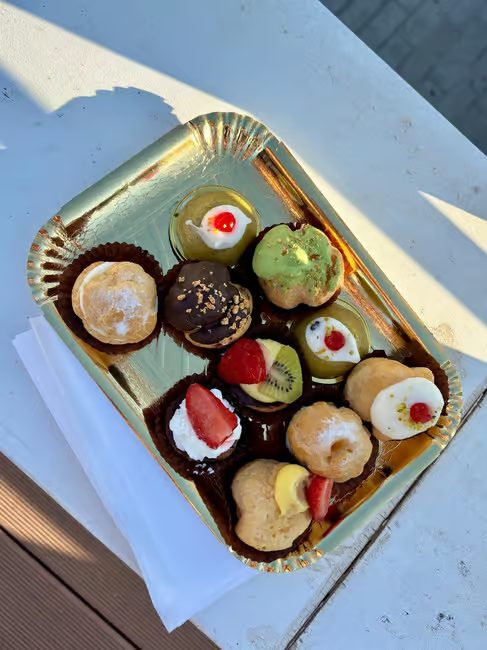
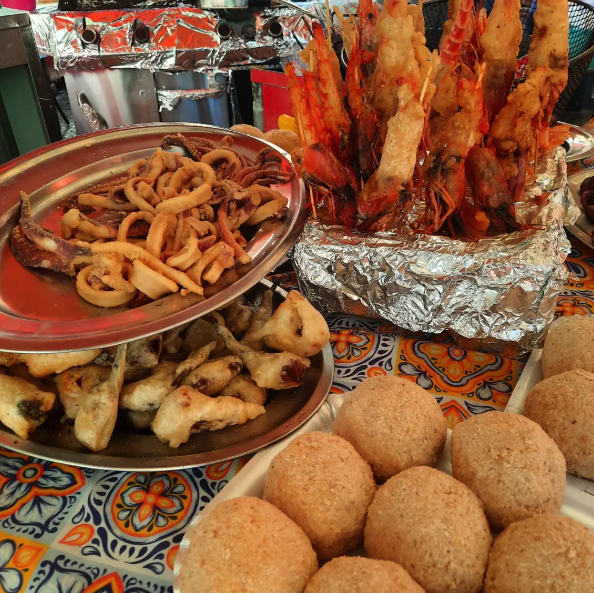
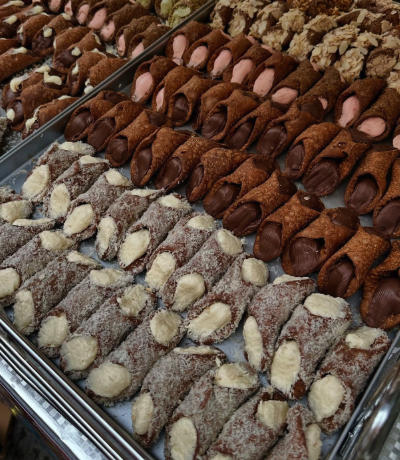
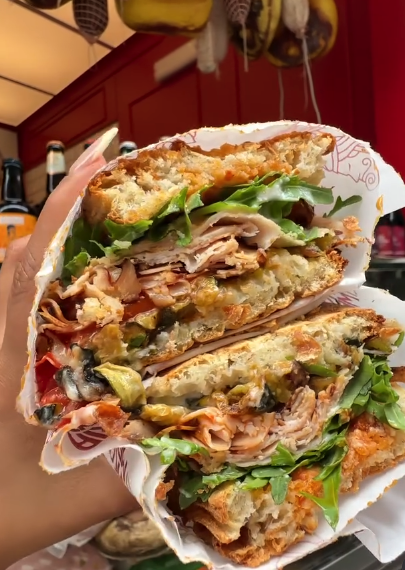
Typical tastings include arancine (fried rice balls), panelle (chickpea fritters), crocche (potato croquettes), sfincione (Sicilian focaccia pizza), pani ca meusa (spleen sandwich) for the adventurous, and cannoli or gelato to finish, usually with Sicilian beer or wine.
Which Palermo markets do the tours visit?
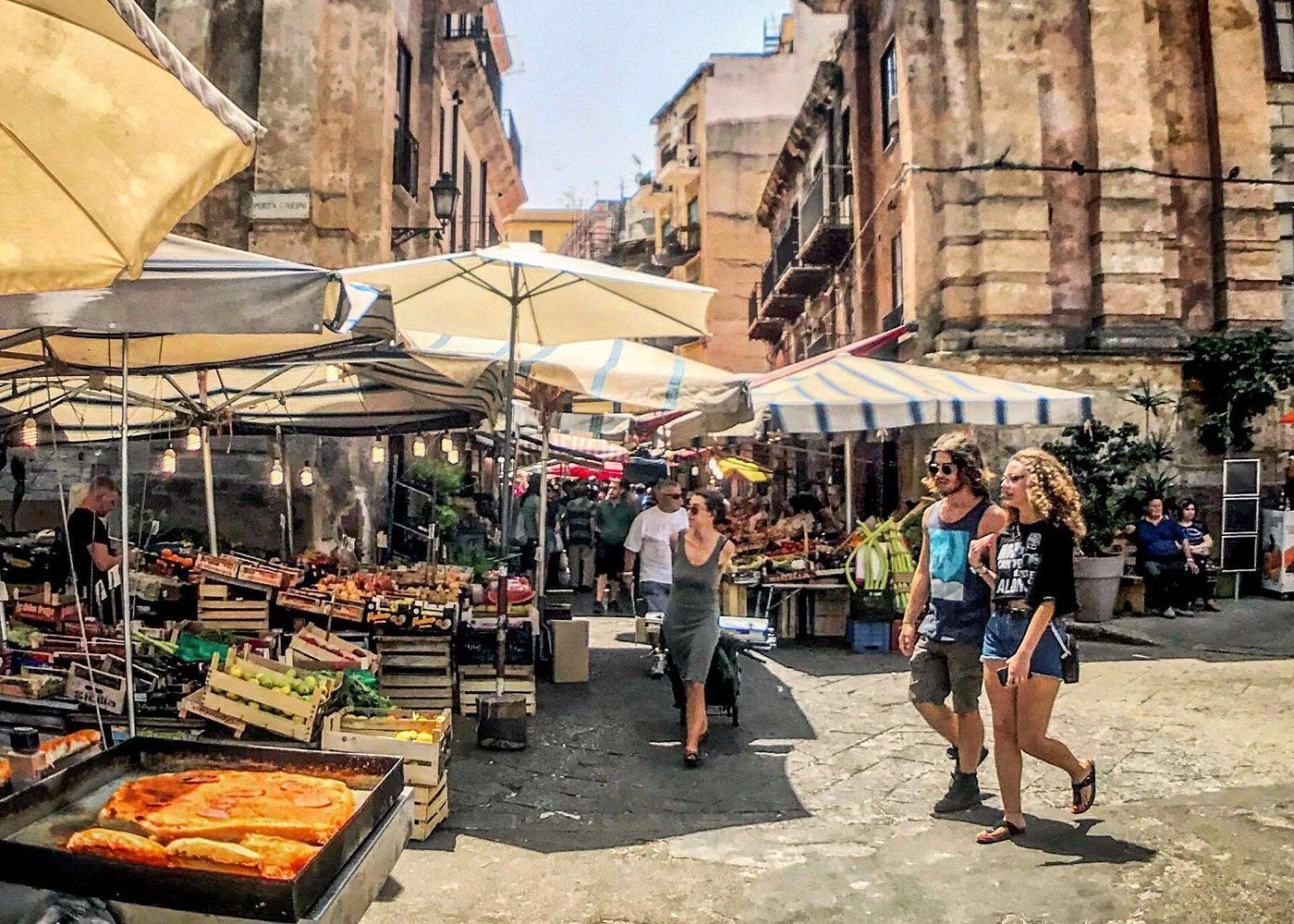
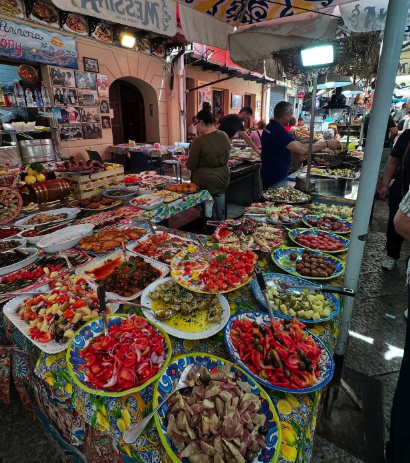
Tours visit Palermo's three historic street-food markets: Capo, Ballaro and Vucciria. Some visit one, others combine two. The Capo and Ballaro markets are busiest in the morning, so morning tours see them at full swing.
Are Palermo food tours suitable for vegetarians or gluten-free diets?
Many operators accommodate vegetarians and can offer gluten-free alternatives if you tell them when you book. Traditional street food is mostly fried and carb-heavy and some tours are not suitable for vegans, so check each listing's dietary notes first.
What time do Palermo food tours run, morning or evening?
Both. Morning tours catch the Capo and Ballaro markets at their busiest, while evening and night tours focus on aperitivo culture, bars and the buzz of the historic centre. Pick morning for the markets, evening for the atmosphere.
How much walking is involved on a Palermo food tour?
Expect a relaxed two to three hours on foot through the historic centre and markets, with regular food stops. Wear comfortable shoes. A few tours note they are not suitable for travellers with limited walking or standing capacity.
Are Palermo food tours good for cruise passengers?
Yes. Several street-food tours meet near the historic centre a short walk or taxi from the cruise terminal, and some offer a port pickup on request. Check each tour's meeting point and allow buffer time before your ship departs.
Can children join a Palermo food tour?
Most street-food and cooking tours welcome families and can adapt tastings for children. One walking tour sets a minimum age of nine. Check the age policy on the tour you choose, and note some evening tours involve alcohol tastings for adults.
How big are the tour groups?
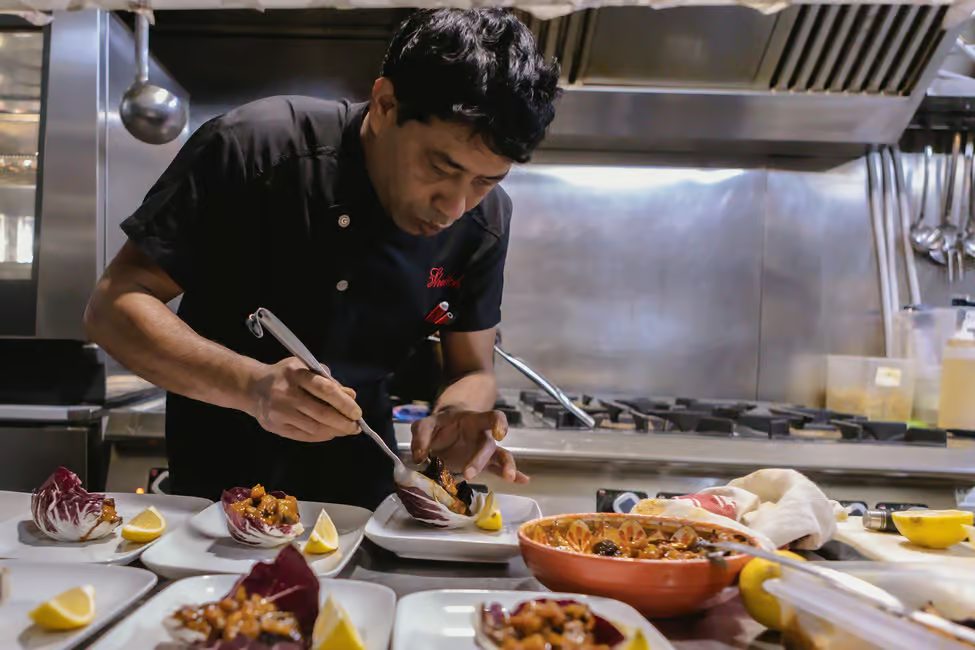
Most small-group tours cap between 10 and 15 travellers, and the villa cooking class and market cooking tour run up to 12 and 20. The winery day is private. Smaller caps mean more time with your guide.
Where do Palermo food tours meet?
Common meeting points are the Teatro Massimo opera house, the Quattro Canti crossroads, Piazza Olivella and the Vucciria quarter, all in the walkable historic centre. Your exact meeting point is confirmed on the booking page.
Should I tip on a Palermo food tour?
Tipping is appreciated but not obligatory. Some tours include gratuities in the price and some do not, so check each listing. If a guide made the tour, a small tip is a normal way to say thank you.
Do the markets close on Sundays?
Palermo's street markets wind down on Sunday afternoons and some stalls close, so a Sunday tour may focus more on bakeries, bars and the historic centre than on a full market. Weekday mornings show the markets at their liveliest.